Homeowners searching for a general contractor near me are usually trying to answer one core question: what does professional project oversight actually cost? While many expect a simple hourly rate or flat fee, general contractor pricing is influenced by scope, coordination demands, and risk exposure. In San Jose, CA, where building codes, inspections, and labor availability add layers of complexity, understanding how contractors structure their pricing is far more valuable than focusing on a single number.
A general contractor is responsible for managing the entire construction process. That responsibility includes scheduling trades, coordinating inspections, resolving conflicts, and keeping work aligned with approved plans. The broader the responsibility, the more it affects cost.
How General Contractors Commonly Price Their Services
General contractors typically rely on one of several pricing models, each designed to balance accountability, transparency, and risk.
- Percentage of total project cost: Often between 10% and 20%, this model scales naturally as project size and complexity increase. Fixed management fee: A predetermined fee agreed upon before work begins, typically used when the scope is well defined. Cost-plus pricing: The homeowner pays actual construction costs plus a contractor fee, commonly used for projects where scope may evolve.
Each approach serves a purpose. Percentage-based pricing adapts to changes, fixed fees provide predictability, and cost-plus offers transparency when unknowns are likely.
Major Factors That Influence Contractor Cost
The cost to hire a general contractor near you is influenced by more than just the size of the project. Several real-world variables affect how much oversight is required.
- Number of trades involved: Projects requiring electricians, plumbers, framers, drywall installers, and inspectors demand extensive coordination. Permit and inspection requirements: San Jose projects often require multiple inspections at specific stages. Scheduling complexity: Tight timelines or phased construction increase management demands. Home age and condition: Older homes frequently reveal hidden issues once walls are opened.
According to Angi, coordination and risk management are among the largest contributors to general contractor fees.
Typical Cost Expectations by Project Type
While exact costs vary, contractor fees tend to align with the scope and coordination level required for each project category.
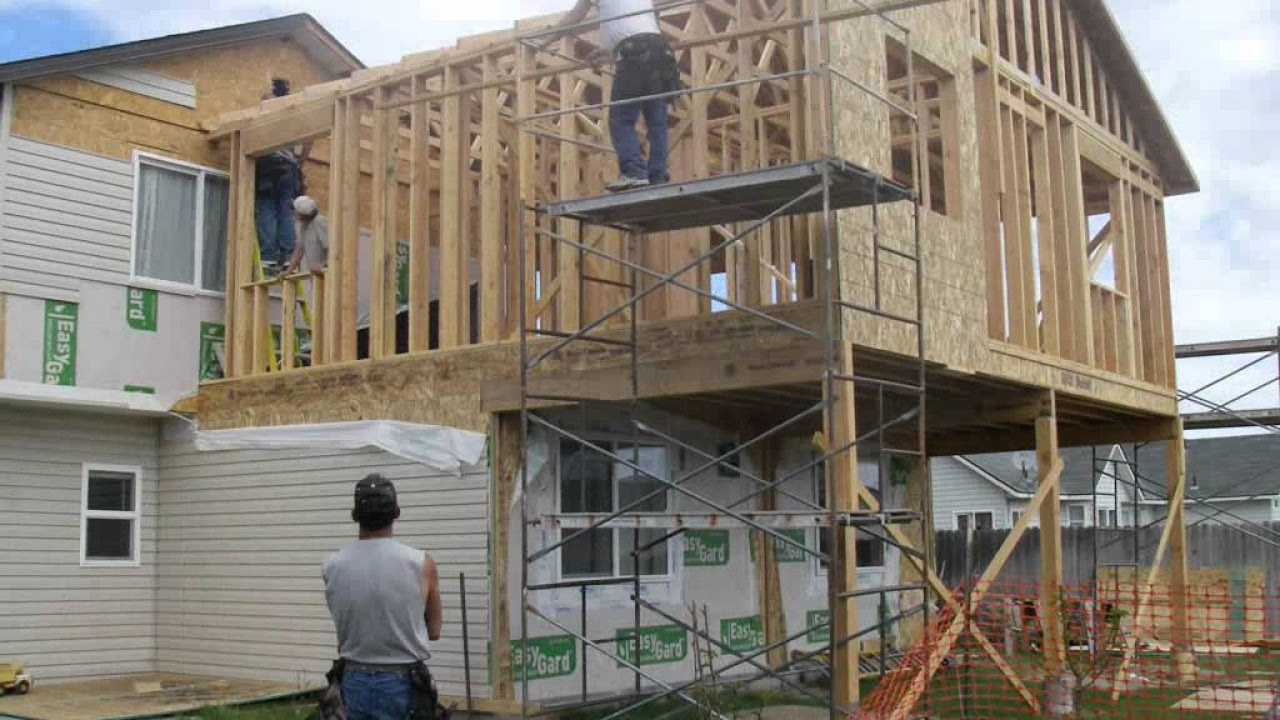
- Bathroom remodels: Plumbing changes, waterproofing, electrical work, and inspections increase oversight needs. Kitchen remodels: Cabinetry sequencing, appliance coordination, ventilation, and inspections raise management complexity. Home additions: Structural work, foundations, and phased inspections require full-service coordination. Whole-home renovations: Managing multiple rooms and overlapping trades typically justifies comprehensive oversight.
Rather than comparing fees alone, homeowners should compare what responsibilities are included in the contractor’s scope.

Why the Lowest Fee Can Create the Highest Risk
Selecting the lowest-priced contractor often comes with hidden trade-offs. Reduced fees may mean limited jobsite presence, rushed scheduling, or minimal quality control.
In San Jose, a failed inspection or mis-sequenced trade can delay a project by weeks. These delays often result in rescheduling fees, storage costs, and extended living disruptions.
Many homeowners choose to work with a general contracting company that clearly defines responsibilities to reduce these risks.
Sidebar Example: How Coordination Costs Add Up
Consider a homeowner managing a kitchen remodel independently. The electrician finishes later than planned, delaying cabinet installation. The cabinet installer reschedules for the following week, and an inspection cannot occur until cabinets are installed.
Each delay compounds. Trades charge return fees, materials sit unused, and the project timeline stretches. A general contractor absorbs these coordination challenges by adjusting schedules, communicating with trades, and sequencing inspections correctly.
How to Get a More Accurate Cost Estimate
To understand what hiring a contractor will cost for your specific project, homeowners should request detailed proposals that clearly outline responsibilities.
- Confirm whether permit coordination is included Ask how inspections are scheduled and handled Understand how change orders affect pricing
Many homeowners speak with a general contractor early to determine the appropriate level of oversight.
Long-Term Cost vs. Short-Term Savings
While self-managing a project may https://privatebin.net/?f15d490cc0447684#7b9STTiztvwcrrhFTbXNTNm3peFPLHpcABn8ugfFMbAX appear less expensive initially, mistakes can be costly. Rework, failed inspections, and extended timelines often exceed the cost of professional oversight.
The Better Business Bureau frequently reports that disputes and unfinished projects are more common when construction lacks clear management.
Related Questions Homeowners Ask
Is hiring a general contractor worth the cost?
For multi-trade or permit-heavy projects, professional oversight often reduces delays and long-term risk.
Can I save money by managing the project myself?
Some homeowners manage small projects successfully, but larger renovations typically benefit from experienced coordination.
Do general contractors include permits in their pricing?
Permit handling varies and should always be clarified before signing a contract.
Homeowners evaluating cost and scope often consult general contracting services before making final decisions.
San Jose General Contractors
Phone: (408) 549-8543
Website:
http://www.generalcontractorssanjose.com/